Search Axens.net

Process Technologies

Isomerization with De-isohexanizer (DIH)

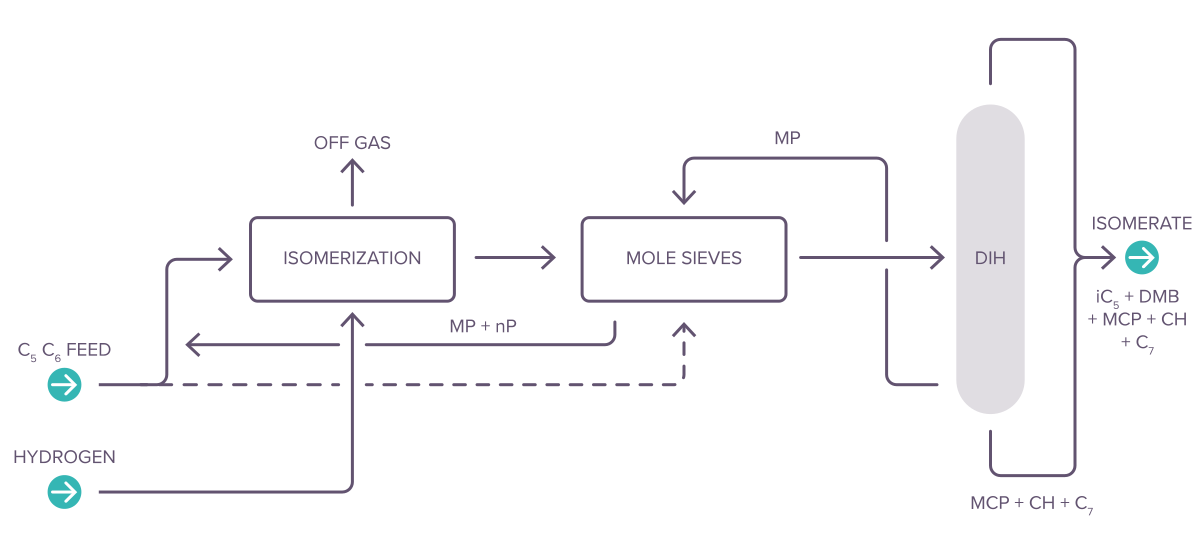
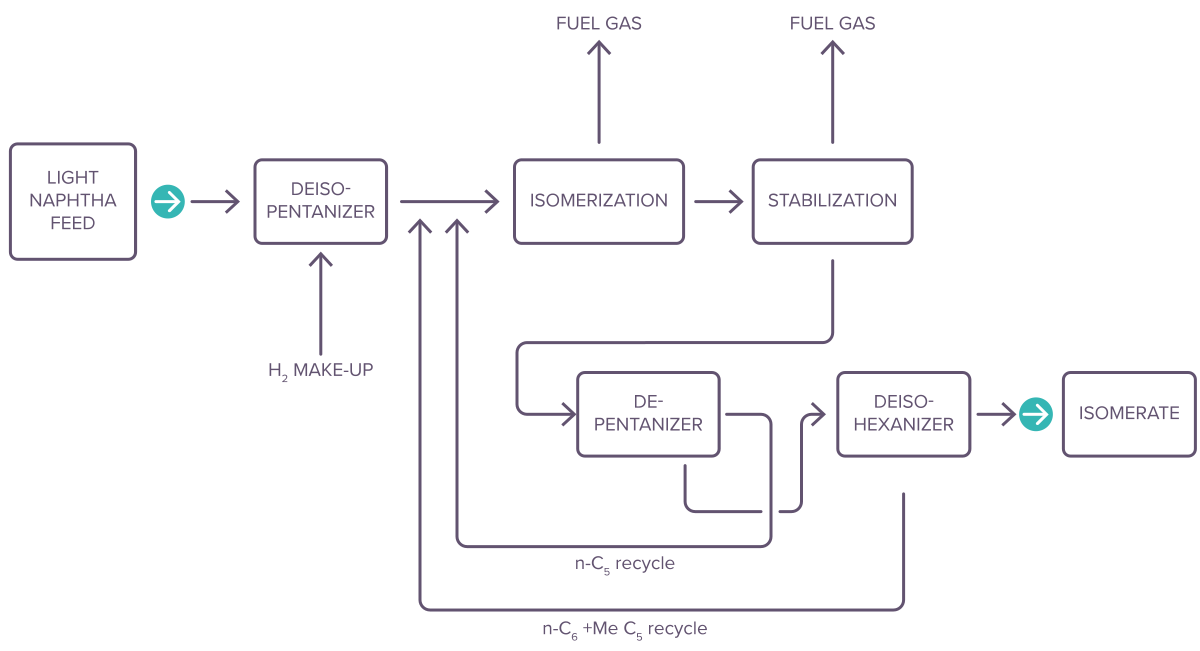
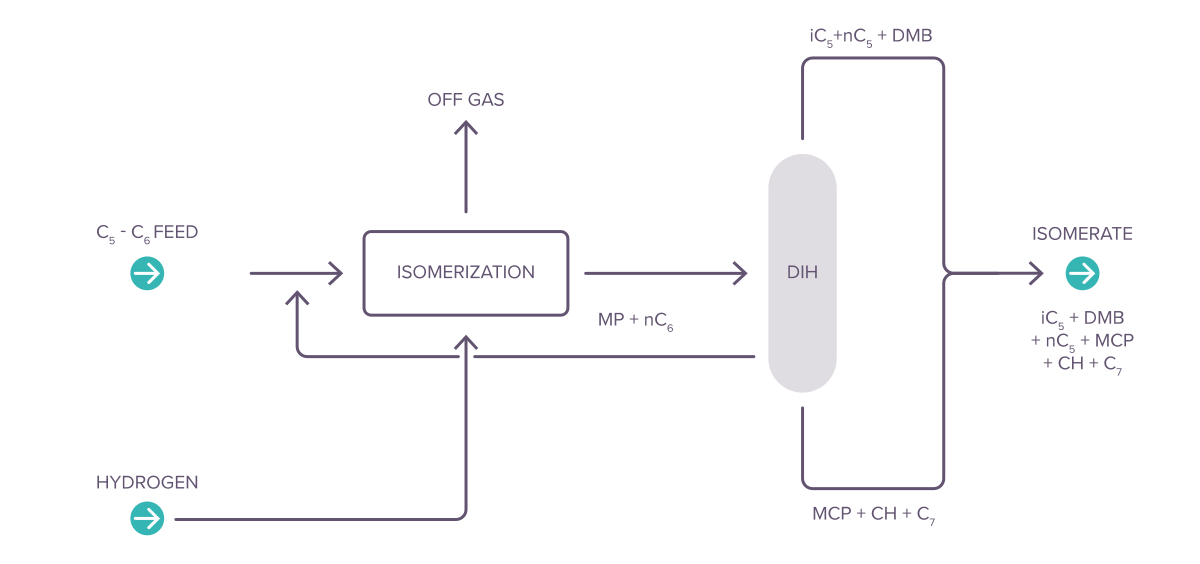
For still higher RON isomerate, a deisohexanizer can be added downstream from the reaction section. The higher octane and more volatile iso-hexanes (dimethylbutanes) are removed by distillation together with the C5’s. The distillate is combined with the de-isohexanizer bottom to become the final isomerate product. A side-stream from the bottom half of the column, concentrated in lower octane species such as methylpentanes (MPs) and the unconverted n-hexane, is recycled to the reactor.

A RON increase from 83-84 to 88 can be expected when a de-isohexanizer scheme is implemented
Related Offer

De-isopentanizer (DIP)

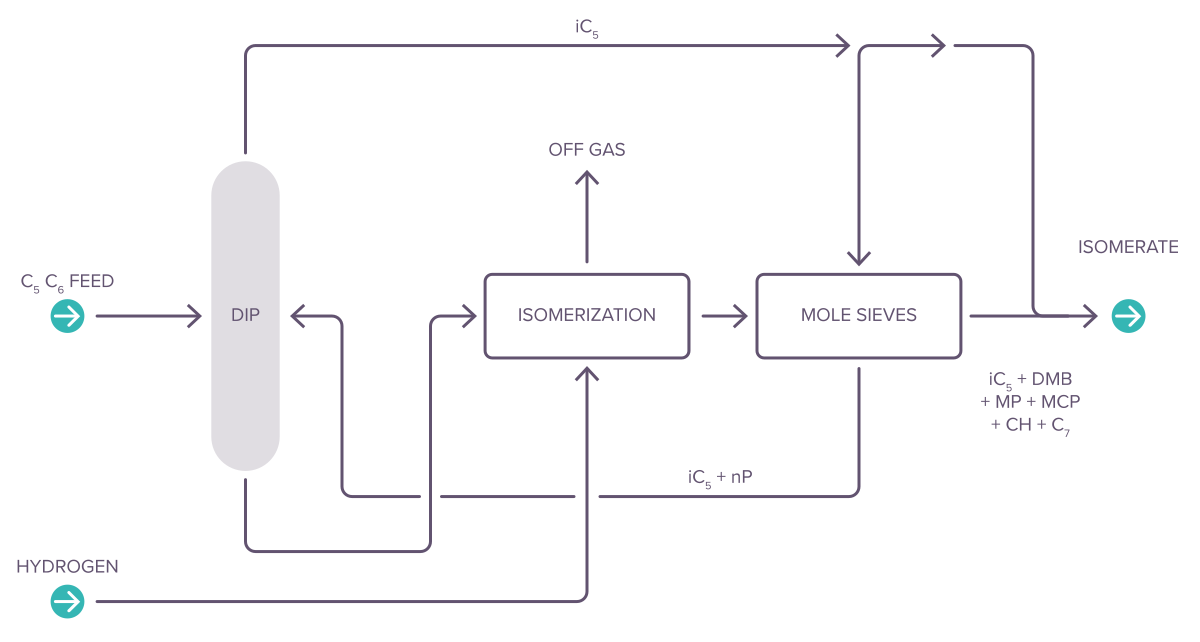
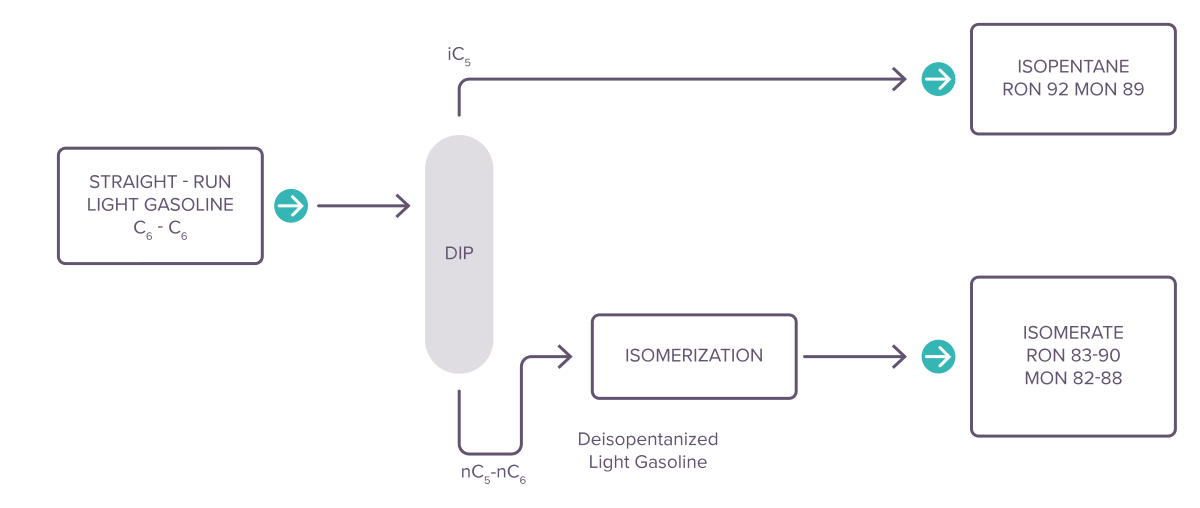
To improve the octane boosting effect of the isomerization process, a deisopentanizer column can be integrated upstream of the isomerization unit. The advantages of this scheme are the following:

  • having a new separate base with a high MON to be blended into the gasoline pool: isopentane
  • sending a low isopentane-containing feed to the isomerization unit, so that the net isopentane production is larger

A further step to increase the octane pool is to split the reformate into two cuts. A light reformate is thus obtained including C5 and C6 components. This cut can be isomerized after separating the isopentane. This can be achieved by blending the light reformate with the straight run light naphtha and processing them simultaneously.

Related Offer

Once-through C₅/C₆ isomerization

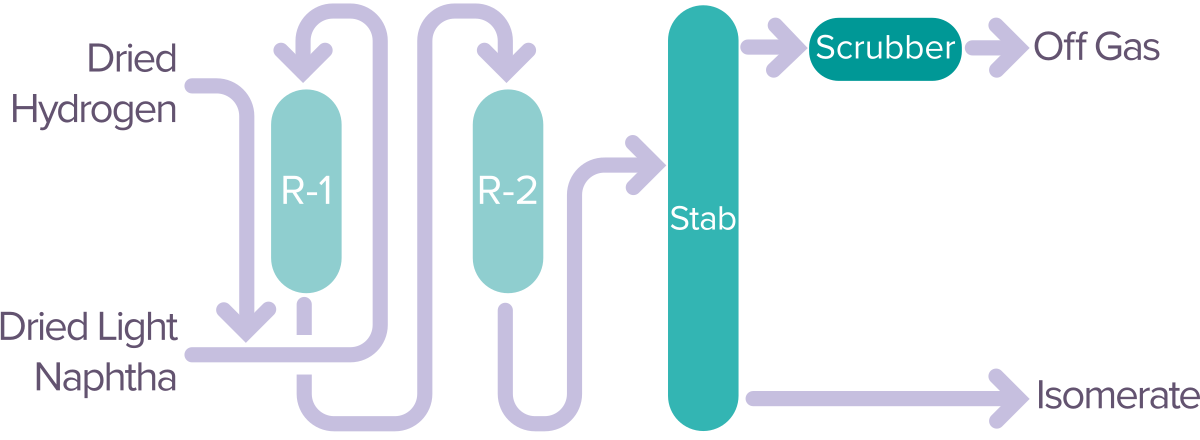
The scheme of once-through C5/C6 Isomerization is based on a permutable reactors design; that is, either reactor can be used in the lead or lag position or it can be operated independently during catalyst servicing. This insures an ultra-high on-stream service.

More than 20 C5/C6 once-through isomerization licenses have been awarded over the last 25 years
Related Offer

Benfree® RD

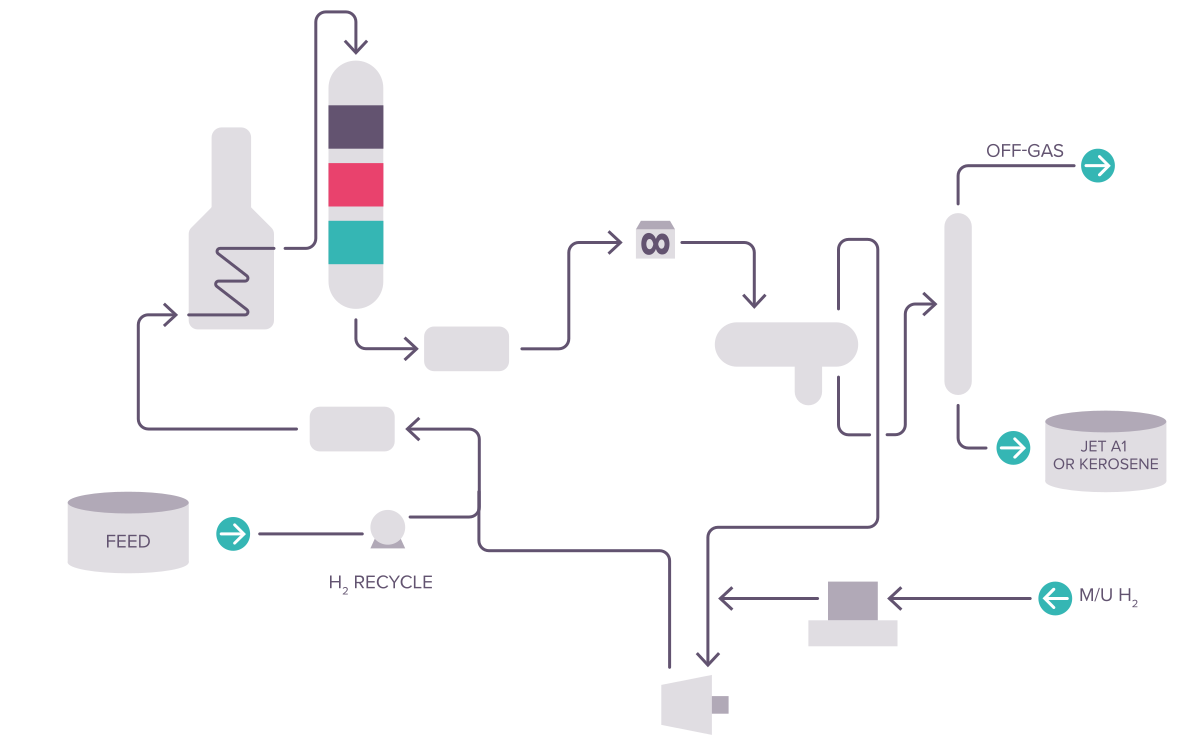
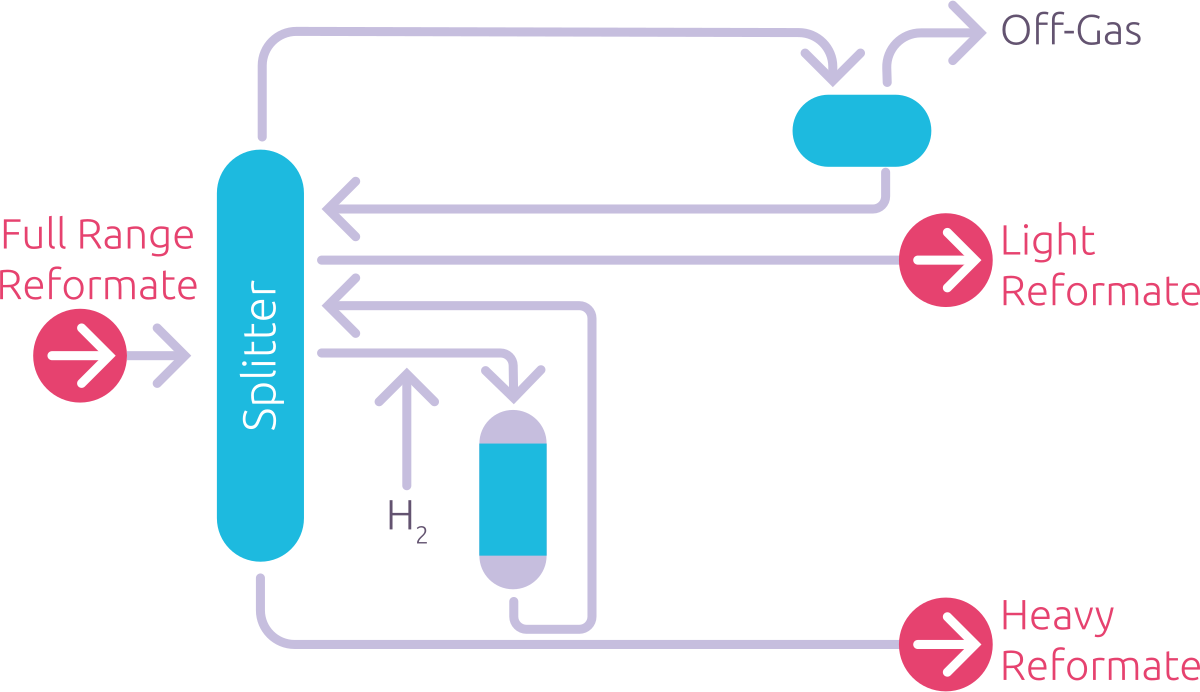
The Benfree® RD integrates an external fixed bed hydrogenation reactor with the reformate splitter column, therefore reducing equipment and associated costs to save capital cost and plot area. The light reformate product is withdrawn as a side draw of the column for RVP control. Operating conditions are adjusted to minimize the toluene carry-over to the hydrogenation reactor thus minimizing the octane loss.

Simple integrated reactive distillation concept which ensures a high level of benzene saturation with great operation flexibility
Easy catalyst loading and change-out in a conventional fixed bed instead of proprietary catalytic structured packing
Continuous splitter operation even if the reactor is shutdown to meet market demand or fluctuations
Related Offer

Benfree® C

When limiting the benzene formation in the reformer is not sufficient to meet gasoline pool specifications, Benfree® C engineering design services will provide a reliable solution to adjust the benzene saturation to requirement. The conventional option consists of a hydrogenation unit downstream of a reformate splitter to saturate the benzene contained in the light reformate stream. The unit utilizes a highly active catalyst that is operated in the liquid phase under mild conditions to minimize investment cost.

Minimize toluene carry-over in the light reformate sent to the hydrogenation reactor to maximize octane retention
Maximize overall benzene conversion by limiting the benzene content in the heavy reformate stream
Related Offer

Semi-Regenerative Catalytic Reforming

Semi-Regenerative Catalytic Reforming completes Axens portfolio for lower capacities units. Axens has a long experience in conventional fixed bed reformers with over 50 references. Axens offer is related to the use of our Symphony solution of multi-promoted catalysts for semi-reg units.

Related Offer

Octanizing™ and Aromizing™

The Octanizing™ and Aromizing™ technology offers unrivaled product yields, low investment and operating costs and an exceptional on-stream factor for the production of gasoline and aromatics. Axens has an extensive experience in capacity and severity with over 130 licenses awarded worldwide.

Side-by-side reactor arrangement
Highly integrated energy optimization
Continuous Catalyst Regeneration
Related Offer
Oil Refining

Is there a route for post-treating gasoline with minimal octane loss?

For the post-treatment of FCC gasoline, fixed-bed HDT is by far the most trusted solution because of its low capex, its ease of operation, and its flexibility.

Written by Olivier BOISIER & Boris HESSE ·
Oil Refining

Hydrogen consumption is higher than we would like in our raw diesel hydrotreater. Can we lower it without loss of throughput?

Hydrogen consumption in a hydrotreater comes from hydrotreatment reactions but also from losses within the process.

Written by Marion Guillevic · Technologist, Axens ·
Natural Gas

Solids in the feed are causing corrosion and erosion problems in our amine system. How do we remove them effectively and economically?

In order to ensure that there are no solids in the amine system, Axens recommends an amine filtration package which filters a slipstream of the lean amine to remove solid particles. The amine filtration package also includes an activated carbon filter for hydrocarbon elimination and a polishing filter to remove any charcoal fines.

Written by Carmella Alfano & Géraldine Laborie · Technologist, Axens ·